Recent Form and Tactical Overview
Falkirk's recent performances have showed glimpses of their capabilities but also highlighted some tactical inconsistencies. The Bairns have displayed resilience in tough matches, yet they often struggle to convert possession into clear-cut chances. An analysis of their last few games indicates a need for a more cohesive attacking strategy, particularly in breaking down well-organised defenses.
Strengths to Build On
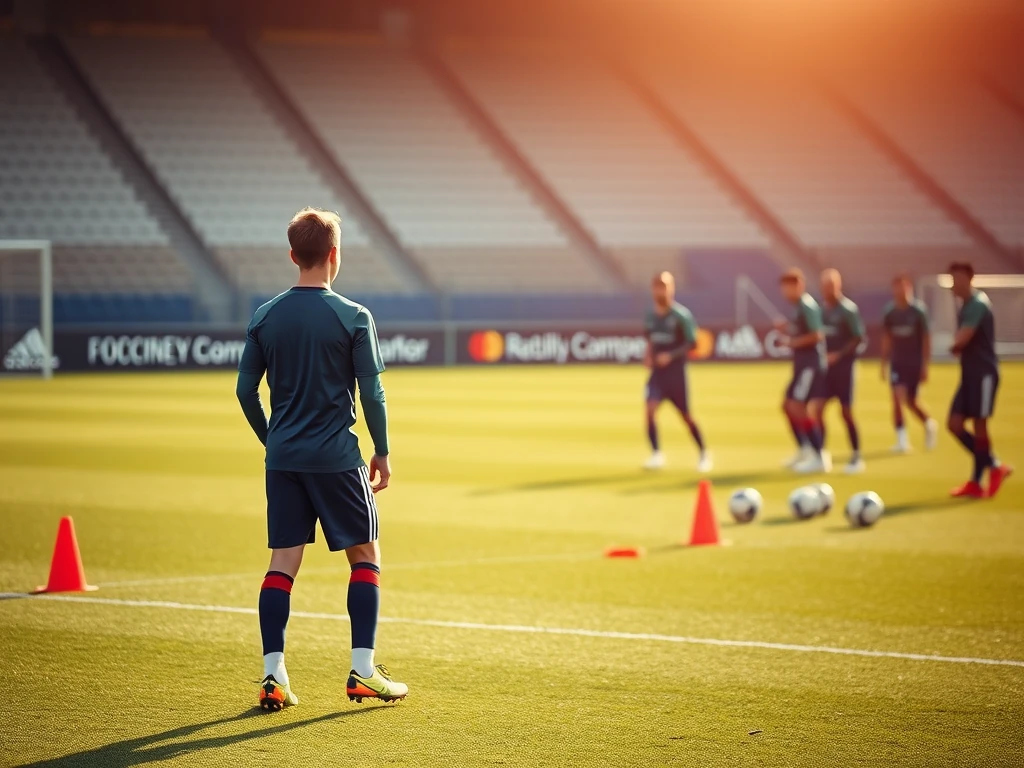
One of Falkirk's key strengths this season has been their midfield dynamism. The combination of energy and creativity from players like Dylan Tait and their ability to link up with forwards has been promising. The pressing game has also improved, with the team effectively regaining possession in advanced areas. However, while these elements are commendable, they need to be complemented by a sharper end product in the final third.
Identifying Tactical Tweaks
1. Formation Flexibility: One potential change could involve adopting a more fluid formation. The current 4-3-3 setup has its merits, but a shift to a 4-2-3-1 might provide additional support in midfield. This adjustment would allow for a more creative player, such as Tait, to operate in a free role just behind the striker, facilitating better link-up play.
2. Utilising Width: Falkirk's wingers must be encouraged to stretch defenses more effectively. By prioritising width, the team can create space for central attackers and midfield runners. The likes of their fast-paced wingers should be instructed to hug the touchline, drawing defenders out of position and creating gaps for overlapping full-backs to exploit.
3. Set-Piece Strategy: Set-pieces have become a key aspect of modern football, and Falkirk should capitalise on this area. Enhancing their delivery and making use of tall players in the box can transform these situations into scoring opportunities. A dedicated set-piece coach could help refine their approach and ensure they are maximising every chance.
Enhancing Defensive Solidity
While improving the attack is essential, Falkirk must not neglect defensive responsibilities. The back line needs to work on maintaining composure under pressure and ensuring that communication is clear. Cohesion among defenders can prevent unnecessary lapses that lead to conceding goals. Introducing a more disciplined role for the defensive midfielders can help shield the back four, allowing them to focus on their primary duties without the pressure of covering expansive gaps.
Conclusion
As The Bairns look to enhance their league performance, a few tactical adjustments could make a significant difference. By fostering a more flexible formation, utilising width effectively, enhancing set-piece strategies, and solidifying their defensive structure, Falkirk can harness their strengths and address weaknesses. This evolution in tactics could be the key to turning promising displays into consistent results as they strive for a successful season.